Jerome County I-84 Jury Verdict — From a $72,000 Pre-Suit Offer to More Than $760,000 Judgment
The Case Was Worth What the Evidence Proved
Some cases reinforce why trial lawyers have to be willing to try cases.This was one of them.The case arose from an injury collision on Interstate 84 in Jerome County, Idaho. Before litigation, the defense valued the case at approximately $72,000.We saw the case differently.
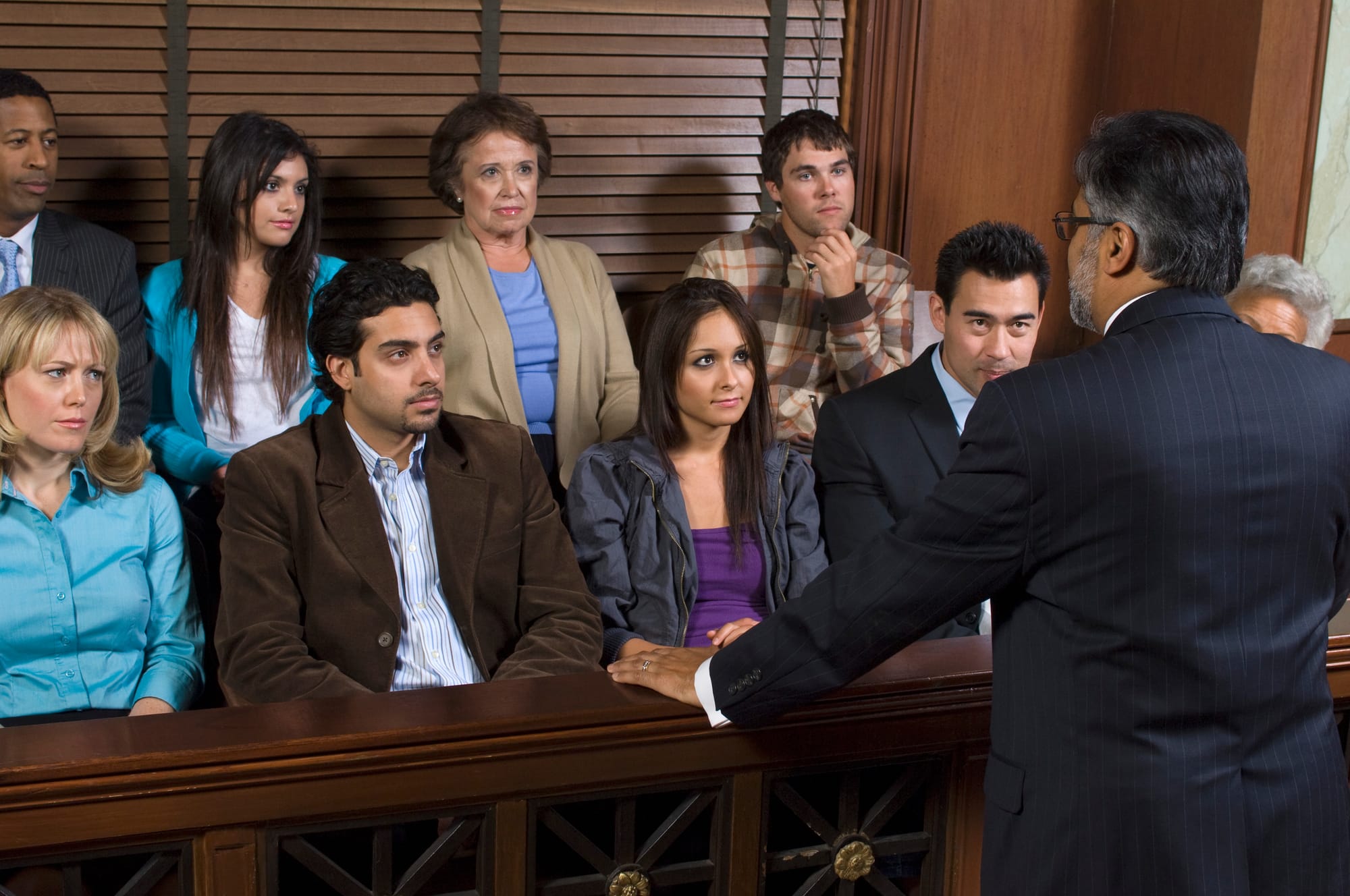
My partner, Joe Horras, and I ultimately tried the case to a Jerome County jury. The jury returned a substantial verdict for our client. After prejudgment interest, attorney fees and other amounts awarded by the court, the resulting judgment exceeded $760,000.
The difference between the pre-suit offer and the ultimate judgment tells part of the story. But for me, the more important story is what the case taught us about preparing and trying an injury case in Idaho.
Insurance companies have sophisticated systems for evaluating claims. They consider medical expenses, diagnoses, treatment, property damage, venue, prior results, and countless other factors.Those systems can be useful.They can also be wrong.
A pre-suit valuation is not a verdict. It is one party's assessment of a case before a jury has heard the evidence.We believed the evidence justified substantially more than $72,000. When the parties could not agree on the value of the case, our client had a constitutional institution available to resolve that disagreement:an Idaho jury.
Trying the Case in Jerome County
There can be a temptation to think differently about cases depending upon where they will be tried.We don't believe in discounting an injured person's case simply because the courthouse is located in a smaller Idaho community.Jurors everywhere deserve the same thing from trial lawyers: preparation, credible evidence, respect for their intelligence, and a clear explanation of why the case matters.Joe and I tried the case in Jerome County, not far from the stretch of I-84 where the underlying collision occurred.
Our job was not to tell jurors what number they should be afraid of.Our job was to prove the case.That meant understanding the evidence, presenting the injuries and losses fairly, addressing the defense arguments directly, and giving the jury the information necessary to make its own decision.The jury did.
From $72,000 to a Substantial Jury Verdict
The jury's verdict was many times the amount offered before suit.The court proceedings that followed were also important. Prejudgment interest, attorney fees, and other recoverable amounts ultimately resulted in a judgment exceeding $760,000.That distinction—between verdict and judgment—matters.
A jury determines the issues submitted to it and returns a verdict. The court then determines what additional amounts are recoverable under the law and enters judgment.Understanding both parts of that process is important when evaluating whether a case should settle or proceed toward trial.
What This Case Taught Us
Joe and I later taught this case to other plaintiffs' lawyers through Trial Lawyers University.
Preparing to teach a completed trial is an interesting exercise. It forces you to examine not only what worked, but what didn't.What did we believe before trial that turned out to be wrong?
Which evidence mattered more to jurors than we expected?
Which arguments mattered less?
What would we do differently next time?
Those questions are more valuable to me than simply putting another verdict number on a website.
Every trial becomes part of the preparation for the next one.
Why the I-84 Case Still Matters to My Practice
This case also helped sharpen an area of my practice that continues to interest me: serious injury and commercial-transportation litigation arising along Idaho's Interstate 84 corridor.I-84 connects communities across southern Idaho and carries an enormous mixture of passenger and commercial traffic. Cases arising on the interstate can involve complicated questions of crash reconstruction, commercial operations, electronic vehicle information, medical causation, future damages, and evidence preservation.They also involve something much simpler.
Someone's life changed on an Idaho highway.The lawyer's responsibility is to understand both sides of that equation—the technical evidence and the human consequences.
Sometimes a Jury Has to Decide
Most civil cases settle, and settlement is often the right outcome.
But settlement only works when the parties can reach an agreement that the client believes fairly resolves the case.
Sometimes they cannot.
The defense's pre-suit valuation here was approximately $72,000.We believed the evidence supported substantially more.Rather than allowing the initial valuation to define the case, we prepared it for trial and put the evidence before a Jerome County jury.The resulting judgment exceeded $760,000.That experience reinforced something I continue to believe:
A lawyer cannot guarantee what a jury will do. But when an injured person has a case worth trying, the lawyer should be prepared to let the jury decide.
William L. “Bill” Smith is an Idaho trial lawyer and founding partner of Smith Horras, P.A. His practice focuses on serious personal injury, catastrophic injury, commercial transportation, wrongful death, and complex civil cases throughout Idaho. Bill tried this case with Smith Horras partner Joe Horras.
Prior results do not guarantee a similar outcome. Every case depends on its own facts, evidence, law, venue, and circumstances.