$980,000 Ada County Jury Verdict — Including $800,000 for Noneconomic Damages
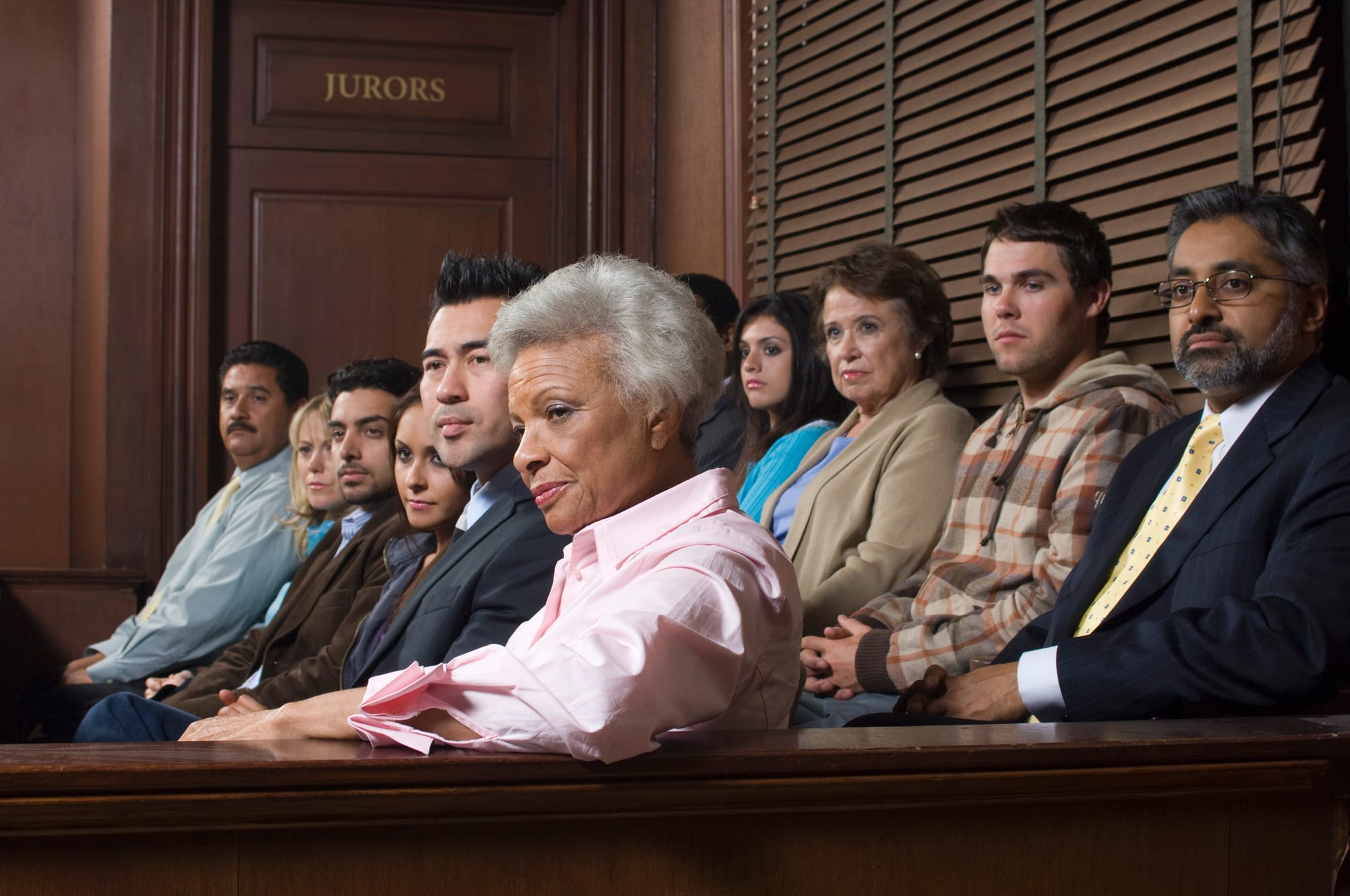
In 2023, an Ada County, Idaho jury in Boise, Idaho returned a verdict of exactly $980,000 for our client in a personal injury case arising from a low-speed motor-vehicle collision.
Of that verdict, $800,000 was awarded for noneconomic damages—the human losses that cannot be measured by a medical bill or reduced to a spreadsheet.
For me, that is what makes this verdict significant.
The Collision Was Low Speed. The Human Loss Was Not.
The defense focused heavily on the relatively low-speed nature of the collision. Throughout the case, there was a fundamental disagreement about the severity of our client's injuries and, more importantly, the magnitude of what those injuries had taken from our client's life.
The defense refused to acknowledge those losses at anything approaching their true severity.
That created a central issue for trial.
A person is not a vehicle. The amount of visible property damage does not determine the amount of physical injury, and neither tells us the value of what an injured person has lost.
The jury had to look beyond the collision itself and consider the human being who experienced it.
$800,000 in Noneconomic Damages
Economic damages can usually be counted. Medical expenses have invoices. Lost income can be calculated.
Human losses are different.Pain does not generate a receipt. Neither does physical limitation, lost independence, disruption of ordinary life, or the loss of the ability to live life in the same way a person did before being injured.
Our job at trial was to give the jury the evidence it needed to understand those losses without exaggerating them and without allowing the case to be reduced to the speed of the vehicles or the appearance of the property damage.
The jury listened.
It returned a total verdict of $980,000, including $800,000 in noneconomic damages.
That allocation matters. The jury was not simply reimbursing expenses. It was placing substantial value on the human consequences of the injuries.
A Lesson About Trying Injury Cases
The case reinforced something I believe strongly about plaintiff trial work:
We cannot allow the defense to define an injured person's life by the size of a medical bill or the appearance of a damaged vehicle.
Words such as “low speed,” “minor impact,” “pre-existing,” and “degenerative” can become shortcuts. They can distract from the question a jury ultimately needs to answer:What actually happened to this person?That requires understanding who the client was before the injury, what changed afterward, what was taken from them, and what those losses mean over the course of a human life.The defense had every opportunity to challenge our evidence and present its view of the case.The jury ultimately saw the loss differently.
Why Jury Trials Matter
Not every injury case belongs in a courtroom. Many cases should resolve when both sides can fairly evaluate the evidence and the human consequences of an injury.
But sometimes they cannot.
When an insurance company or defendant refuses to acknowledge the severity of an injury or the magnitude of the resulting human loss, a jury may be the only institution capable of resolving that disagreement.
That is what happened here.
An Ada County jury heard the evidence, evaluated the competing positions, and returned its judgment:$980,000 total verdict.$800,000 for noneconomic damages.
I am proud of the result, but the larger lesson has stayed with me.
A collision can be low speed and still profoundly change a person's life.
The job of a plaintiff's trial lawyer is to make sure the jury sees the person, not merely the collision.
William L. “Bill” Smith is an Idaho trial lawyer and founding partner of Smith Horras, P.A. His practice focuses on serious personal injury, catastrophic injury, commercial transportation, wrongful death, and complex civil cases throughout Idaho.
Prior results do not guarantee a similar outcome. Every case depends on its own facts, evidence, law, and circumstances.